
Saad Atique's Posts
AI Escalation Detection in Field Service: Early Warning Signs and Actions
AI can detect service jobs that are likely to escalate by identifying warning signs before they develop into customer complaints, SLA breaches, or repeat visits. These signals include recurring equipment failures, missed appointments, technician delays, missing parts, repeated customer contacts, and jobs that take longer than expected. By combining historical service records with current operational […]

How Field Service Teams Keep Customers Updated When Plans Change
Field service teams keep customers updated when plans change by communicating the change early, explaining what it means for the appointment, and giving the customer a clear next step. A useful update should answer three basic questions: what changed, when should the customer now expect service, and does the customer need to do anything? That […]
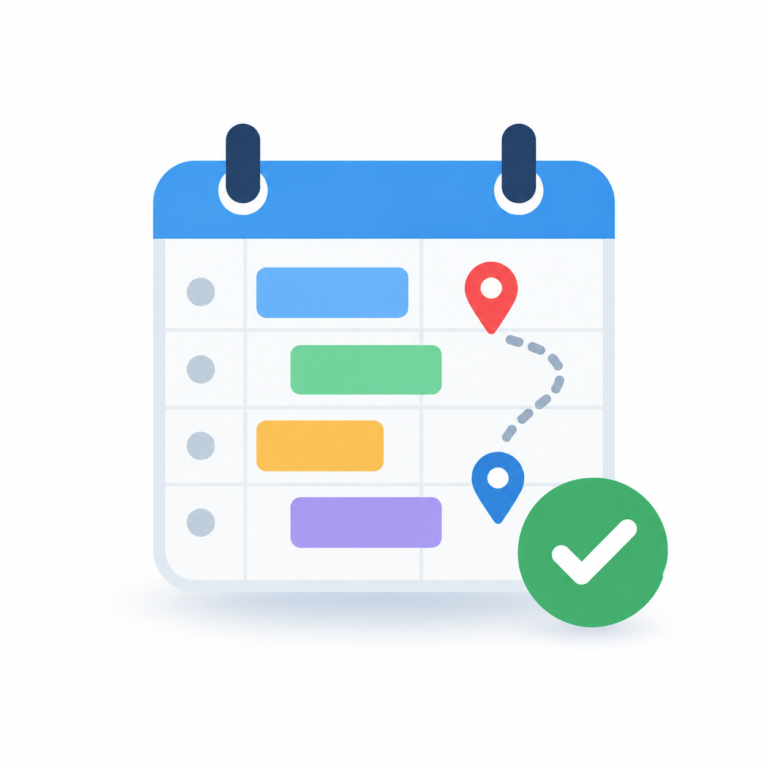
Why Schedule Stability Matters in Field Service
Schedule stability matters as much as schedule optimization because a technically better plan can still create operational problems if it keeps changing. Field service teams need schedules that use technician capacity efficiently and reduce unnecessary travel, but they also need plans that technicians and customers can actually rely on. A scheduling engine may find a […]

How Poor Asset Data Creates Repeat Field Service Visits
Poor asset data creates repeat field service visits because technicians arrive without a reliable picture of the equipment they are expected to repair. If the model number is wrong, the service history is incomplete, or previous repairs were never recorded properly, the technician spends part of the visit rediscovering information the business should already know. […]

Why Multilingual Field Service Is Becoming a Local Operations Issue
Multilingual field service is becoming a local operations issue because customers, dispatchers, technicians, and subcontractors can use different languages even when every job is handled within the same city or region. Language differences now affect service intake, scheduling, safety instructions, technician notes, and customer updates, not only international expansion. A customer may describe a fault […]

Why Offline-First FSM Still Matters in 2026
Offline-first FSM still matters in 2026 because field service work often happens in places where mobile connectivity is weak, unstable, restricted, or completely unavailable. A technician should still be able to open the work order, review asset history, follow the required steps, and record the outcome without waiting for a signal. Cloud platforms, AI tools, […]
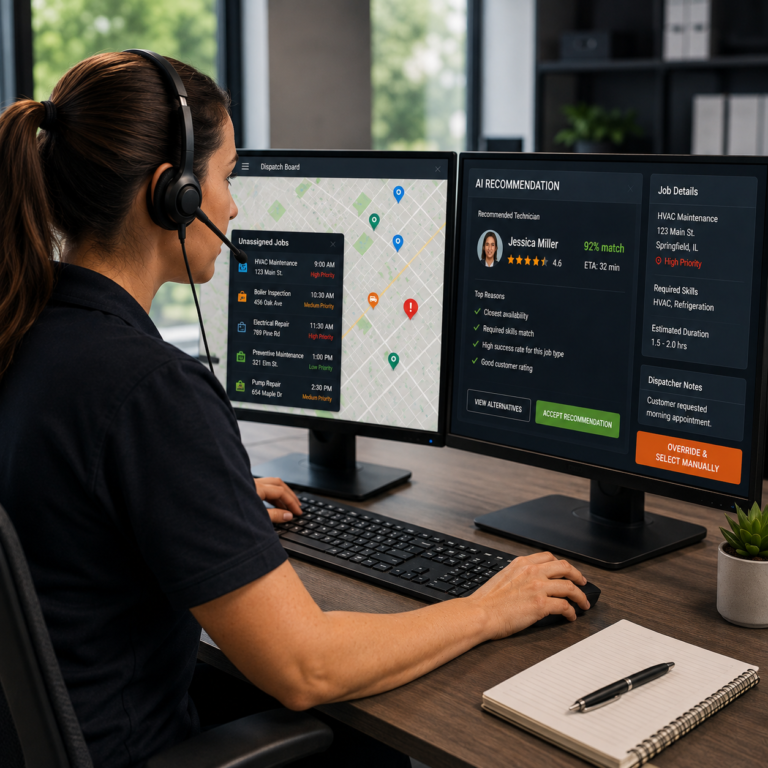
When Should Dispatchers Override AI Recommendations?
Dispatchers should override AI recommendations when the system is working with incomplete information, missing important customer context, creating a safety or compliance risk, or improving one assignment at the expense of the wider service day. An override is also justified when a dispatcher has reliable, current information that the AI cannot yet see. The aim […]

How AI Agents Are Changing the Dispatcher Role
AI agents are changing the dispatcher role by handling routine coordination while leaving complex service decisions with people. They can collect job details, suggest assignments, monitor schedule changes, send updates, and flag exceptions that need attention. This does not make the dispatcher unnecessary. It shifts the role away from constant administration and toward judgment, customer […]

How Field Service Teams Add External Capacity Without Losing Service Control
Field service teams can add external capacity without losing control by keeping job allocation, service standards, customer communication, and completion evidence inside one operating model. External technicians may perform the work, but the service company should still control who receives each job, what process they follow, and how the outcome is recorded. This gives the […]
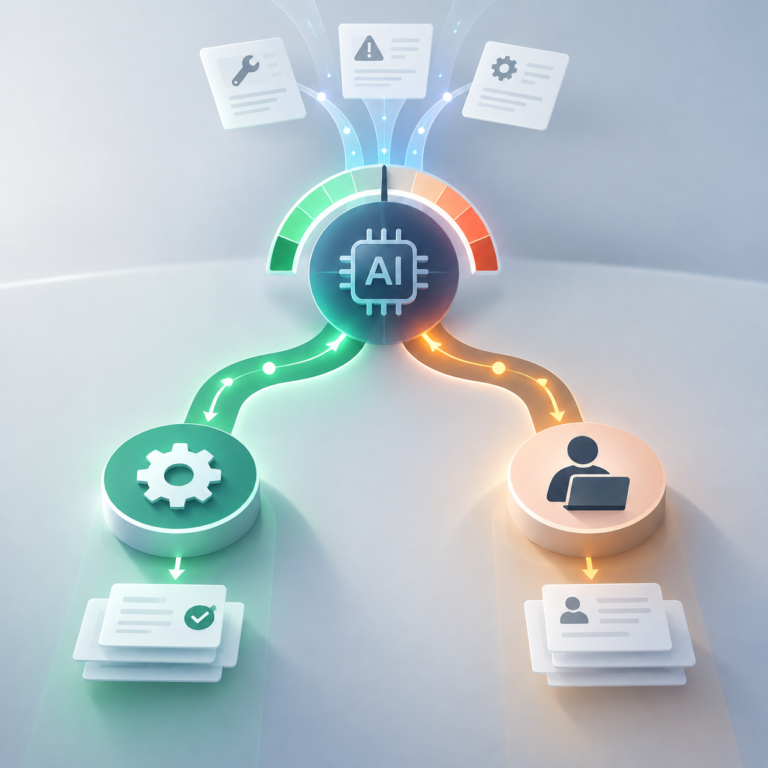
How AI Confidence Scores Improve Service Triage
AI confidence scores can improve service triage by indicating how strongly an AI system supports a recommendation. However, the score should not automatically be treated as the probability that the recommendation is correct; that interpretation depends on how the model produces, calibrates, and validates its confidence scores. Instead of simply labelling a job as urgent, […]