


Capacity Planning for Seasonal Service Demand
Capacity planning is easy to ignore when demand feels stable. Then the seasonal spike hits. Suddenly the queue grows faster than expected, dispatchers start reshuffling the day, technicians get overloaded, and service leaders realize the real problem did not begin this week. It began months earlier, when the business failed to prepare for a predictable […]

How to Capture Technician Knowledge in FSM
Technician knowledge is one of the most valuable assets in field service. It is also one of the easiest things to lose. A senior technician retires. A specialist changes jobs. A team lead stops taking field calls. Suddenly, the work that once felt routine becomes harder to diagnose, harder to assign, and harder to resolve […]

Why Live ETA Updates Matter in Field Service
Live ETA (Estimated Time of Arrival) updates look like a small feature until you see what happens without them. A technician is running late. The customer has no idea. The dispatcher gets called twice. The service desk gets dragged into the same conversation. The technician arrives frustrated, and the customer is already annoyed before the […]

How to Improve First-Time Fix Rate in 2026
First-time fix rate still tells the truth when other field service metrics try to hide it. A schedule can look full. Utilization can look strong. Dispatch speed can look impressive. But if technicians keep returning to finish work that should have been resolved on the first visit, the operation is leaking time, money, and trust. […]

Outcome-Based KPIs: A New Scorecard for FSM
Field service dashboards are often full of numbers, yet leaders still feel blind when performance slips. One reason is that many KPI sets were built for an older definition of “good service.” They emphasize internal efficiency, not customer outcomes. Utilization, jobs per day, and schedule fill rate can all look strong while customers experience recurring […]
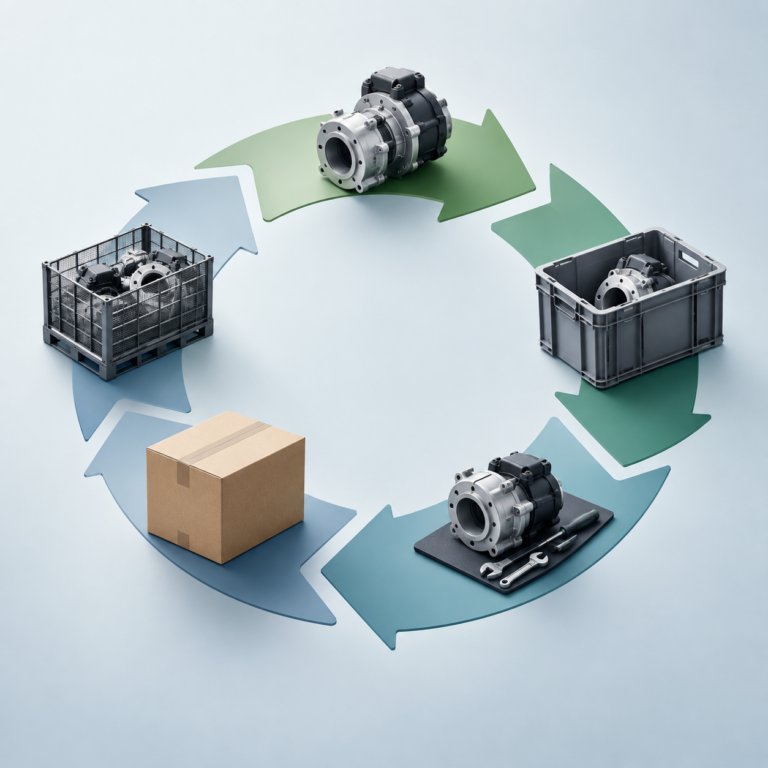
Circular Service: Recyclable Parts and Returns
Field service has always had a “circular” side, even when nobody called it that. Technicians replace components, ship old ones back, swap cores, and reuse high-value assemblies. The difference today is that those flows are no longer treated as a back-office nuisance. They are becoming a measurable operating model: circular service. Circular service is not […]

Retention in FSM: Metrics That Predict Turnover
Technician turnover in field service rarely happens “overnight.” It usually follows a pattern: schedule volatility increases, jobs get harder to complete in one visit, frustration rises, and good techs quietly start looking. By the time a resignation lands, the organization often treats it as an HR issue. In practice, it’s more often an operations issue […]

Remote Assist vs Truck Rolls: When It Wins
Every field service leader knows the tension. Customers want fast restoration. Dispatch wants schedule stability. Finance wants fewer truck rolls. Technicians want fewer wasted trips and clearer job context. Remote assist sits right at the center of that tension because it promises something operational teams care about: resolving more issues without putting a vehicle on […]

Parts Availability: The Hidden Driver of SLA Misses in Field Service
When a field service team misses an SLA, the first suspects are usually scheduling, route planning, or technician productivity. Those issues are visible, easy to debate, and show up neatly on dashboards. Parts availability is different. It often sits across multiple systems, multiple teams, and multiple locations. It also tends to reveal itself at the […]

How Skills-Based Routing Cuts Repeat Visits
Repeat visits are one of the most preventable sources of cost and disruption in field service. They add travel time, consume appointment slots that could have served new work, and force dispatchers into last-minute replanning. For customers, a repeat visit often feels like the original issue was not solved, even when the first technician acted […]