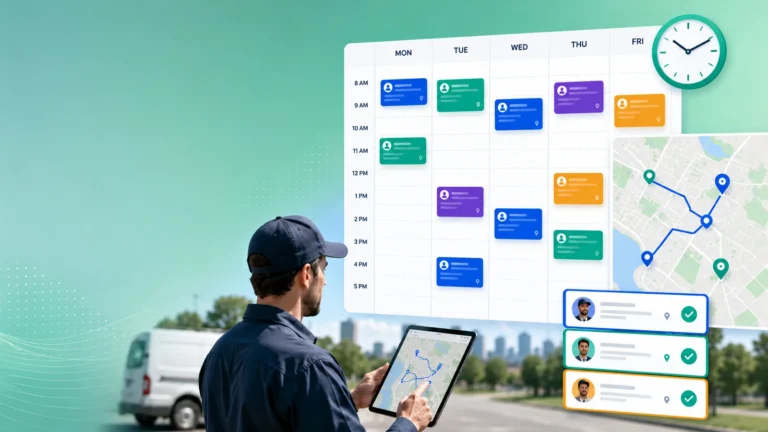
Employee retention has become a major challenge in Field Service Management (FSM). High technician turnover leads to rising training costs, service delays, unhappy customers, and lost operational knowledge. By using operational and workforce data, FSM organizations can understand employee behavior, identify dissatisfaction early, and build work environments that support productivity.
Why Employee Retention Is Critical in FSM
Field service teams work in demanding conditions—long hours, remote locations, tight schedules, and high customer expectations. When experienced technicians leave, companies lose:
- Technical expertise
- Customer relationship continuity
- First-time fix efficiency
- Team morale
How Data Helps Improve Employee Retention in FSM
Modern FSM platforms collect vast amounts of data—from job completion times to technician feedback. When analyzed correctly, this data reveals valuable insights into workforce satisfaction and performance.
1. Identifying Burnout Through Workload Data
FSM systems track:
- Jobs per technician
- Travel time
- Overtime hours
- Schedule density
Consistently overloaded technicians are more likely to experience burnout and disengagement. Data helps managers spot imbalances early and redistribute workloads fairly, improving job satisfaction and reducing stress.
2. Improving Scheduling and Work-Life Balance
Poor scheduling is a major cause of technician turnover. Data-driven scheduling tools use:
- Historical job duration
- Skill matching
- Location intelligence
This ensures technicians receive realistic schedules, reduced travel, and fewer last-minute changes. When technicians feel their time is respected, retention naturally improves.
3. Using Performance Metrics to Support Growth
Traditional performance reviews often feel subjective. FSM data enables objective evaluation using metrics such as:
- First-time fix rate
- Customer satisfaction scores
- Response time
When used positively, these insights help identify training needs, reward high performers, and create clear career development paths—key drivers of long-term employee loyalty.
Leveraging Employee Feedback Data
FSM tools can capture:
- Post-job technician feedback
- Survey responses
- Mobile app usage behavior
Analyzing this data helps leaders understand where technicians struggle, whether related to tools, communication gaps, or lack of recognition. This allows organizations to take corrective action before frustration turns into resignation.
Predictive Analytics
Advanced FSM systems now use predictive analytics to forecast employee churn. By combining data points such as:
- Declining productivity
- Increased absenteeism
- Lower engagement levels
Managers can proactively intervene with coaching, schedule adjustments, or skill development programs. This proactive approach transforms retention from a reactive process into a strategic advantage.
Building a Data-Driven Retention Culture
To successfully use data for employee retention in FSM, organizations should:
- Ensure data transparency with teams
- Use insights for support, not surveillance
- Align KPIs with technician well-being
- Integrate HR data with FSM platforms
When technicians see data being used to improve their work experience, trust and engagement increase.
Conclusion
Employee retention in FSM is no longer about intuition or guesswork. It’s about using data to understand people better. By analyzing workload patterns, performance metrics, and feedback data, FSM companies can create happier, more productive teams that stay longer and perform better.
In an industry where skilled technicians are hard to replace, data-driven retention strategies are essential for sustainable growth and service excellence.