Operational costs keep rising, and customer expectations get tougher each year. Choosing the right field service platform can make or break your efficiency. Among the many solutions available today, Fieldcode stands out for how its platform approaches cost efficiency in field service operations.
1. Clear Per-User Pricing Without Tier Creep
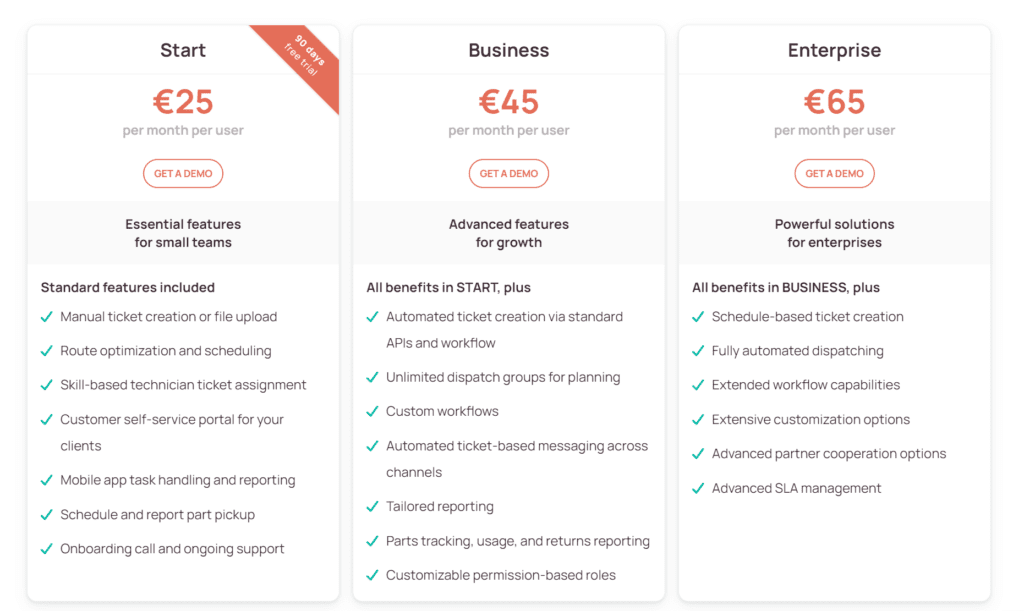
In field service software, costs often rise faster than headcount. Platforms may start with per-user pricing, but essential capabilities are often pushed into higher tiers or paid add-ons as operations become more complex. Fieldcode uses a per-user pricing model where core field service functionality is included by default, avoiding automatic tier upgrades or additional licenses as teams scale.
2. Built-In Process Automation Reduces Manual Effort
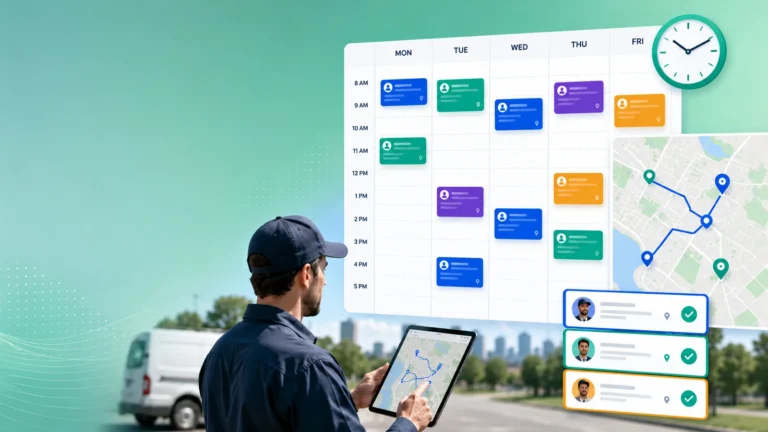
Labor is one of the biggest cost drivers in field service management. Fieldcode cuts these costs by automating tasks that typically require hours of manual work—such as job scheduling, technician dispatching, route planning, and real-time job updates. Its intelligent automation engine ensures the right technician is assigned at the right time, with the right skills, reducing unnecessary travel and improving first-time fix rates.
3. Smart Routing and Travel Optimization
Fuel and travel expenses can drain a company’s budget faster than expected. Fieldcode’s smart routing system uses real-time data and geolocation to optimize technician routes automatically. Shorter travel time means less fuel consumption, faster job completion, and more daily tasks per technician. Over months and years, this improved efficiency leads to major operational savings.
4. Seamless FSM Integration with Existing Systems
One of the often-overlooked costs for businesses is managing multiple disconnected tools—CRM systems, ERP software, ticketing platforms, and reporting solutions. Fieldcode does not aim to replace these core business systems. Instead, it is purpose-built as a field service management (FSM) platform that seamlessly integrates with existing CRM and ERP environments.
Fieldcode centralizes field service operations while working alongside your current systems by offering:
- Job scheduling and dispatching
- Workforce management and optimization
- Real-time service reporting and analytics
- Mobile app for field technicians
- Customer communication and status updates
- Ticketing and workflow orchestration
By integrating smoothly with CRM and ERP platforms, Fieldcode eliminates operational silos without forcing businesses to abandon their existing software stack. This approach reduces manual data transfers, lowers IT complexity, and minimizes the cost and risk associated with maintaining multiple disconnected service tools.
5. Predictive Analytics for Smarter Decision-Making
Data-driven insights are essential for lowering long-term operational costs. Fieldcode provides detailed analytics dashboards that help managers track performance KPIs, technician productivity, job duration, customer satisfaction, and resource utilization. These insights make it easier to identify bottlenecks, eliminate inefficiencies, and plan budgets more accurately.
Conclusion
If your goal is to reduce operational costs, eliminate inefficiencies, and boost technician productivity, Fieldcode is a field service platform built to help reduce operational costs, eliminate inefficiencies, and boost technician productivity. By choosing Fieldcode, businesses can streamline service operations and gain a sustainable, cost-efficient competitive advantage.