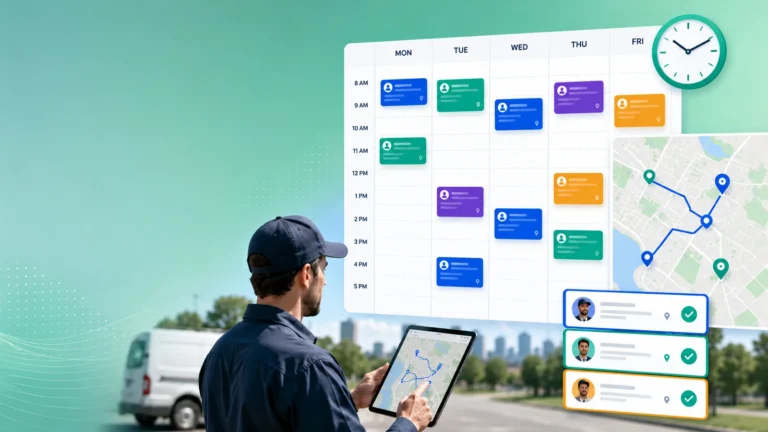
The world of field service management (FSM) is transforming. With digital tools, automation, and customer-centric strategies, the coming years promise changes for organizations relying on FSM. Companies that provide installation, maintenance, and repair services will face new expectations.
The Digital Backbone of Field Service Management (FSM)
Over the next decade, field service management (FSM) will be inseparable from technology. Paper-based processes and manual scheduling will continue to fade away, replaced by cloud-based platforms that centralize operations. These platforms allow businesses to manage teams in real time and connect every aspect of service delivery from dispatch to customer feedback.
Integration with mobile apps will make field teams more agile, reducing delays and ensuring service transparency. As 5G networks expand, technicians will gain instant access to troubleshooting resources, customer histories, and remote support tools directly in the field.
Artificial Intelligence and Predictive Maintenance
AI is no longer just a buzzword in field service management (FSM). Over the next decade, machine learning will reshape how companies handle equipment maintenance. Instead of reacting to breakdowns, FSM systems will use predictive analytics to forecast failures before they occur.
Imagine a technician receiving an alert that a client’s equipment is about to malfunction based on usage data. This shift from reactive to predictive service will reduce downtime, cut costs, and dramatically improve customer satisfaction. AI-driven chatbots will also handle routine queries, freeing up human agents for complex issues.
The Rise of IoT and Self-Healing Machines
Connected devices play a critical role in FSM. IoT-enabled equipment will continuously send performance data to service platforms, providing technicians with real-time insights. This data improves diagnostics and enables self-healing systems that can resolve minor issues remotely without sending a technician on-site. This will reduce operational costs and lead to faster resolutions.
Customer-Centric Service Models
The next decade of field service management (FSM) will be about creating superior customer experiences. Customers now expect transparency, faster turnaround times, and flexible service options.
Future FSM solutions will include features like real-time technician tracking, automated appointment reminders, and customer portals for instant updates. Companies that prioritize these customer-focused innovations will stand out in competitive markets.
Workforce Transformation and Skill Development
Technicians will need advanced training to work with AI-driven tools, IoT devices, and cloud platforms. Soft skills such as communication and customer engagement will also become increasingly valuable.
Remote support and augmented reality (AR) tools will empower technicians to collaborate with experts, even if they are not physically present. This ensures faster resolutions while reducing travel costs and time.
Sustainability in FSM
Another critical trend shaping the future of field service management (FSM) is sustainability. Companies are under pressure to reduce their environmental impact. By optimizing routes with AI, reducing unnecessary trips, and adopting electric vehicles, service organizations can cut carbon emissions while improving efficiency.
Conclusion
The next decade of field service management (FSM) will be defined by digital transformation, predictive technologies, customer-first strategies, and sustainability. Organizations that embrace AI, IoT, and workforce development will lead the industry. In fact, FSM is ultimately about delivering smart and fast services that meet the demands of tomorrow’s customers.